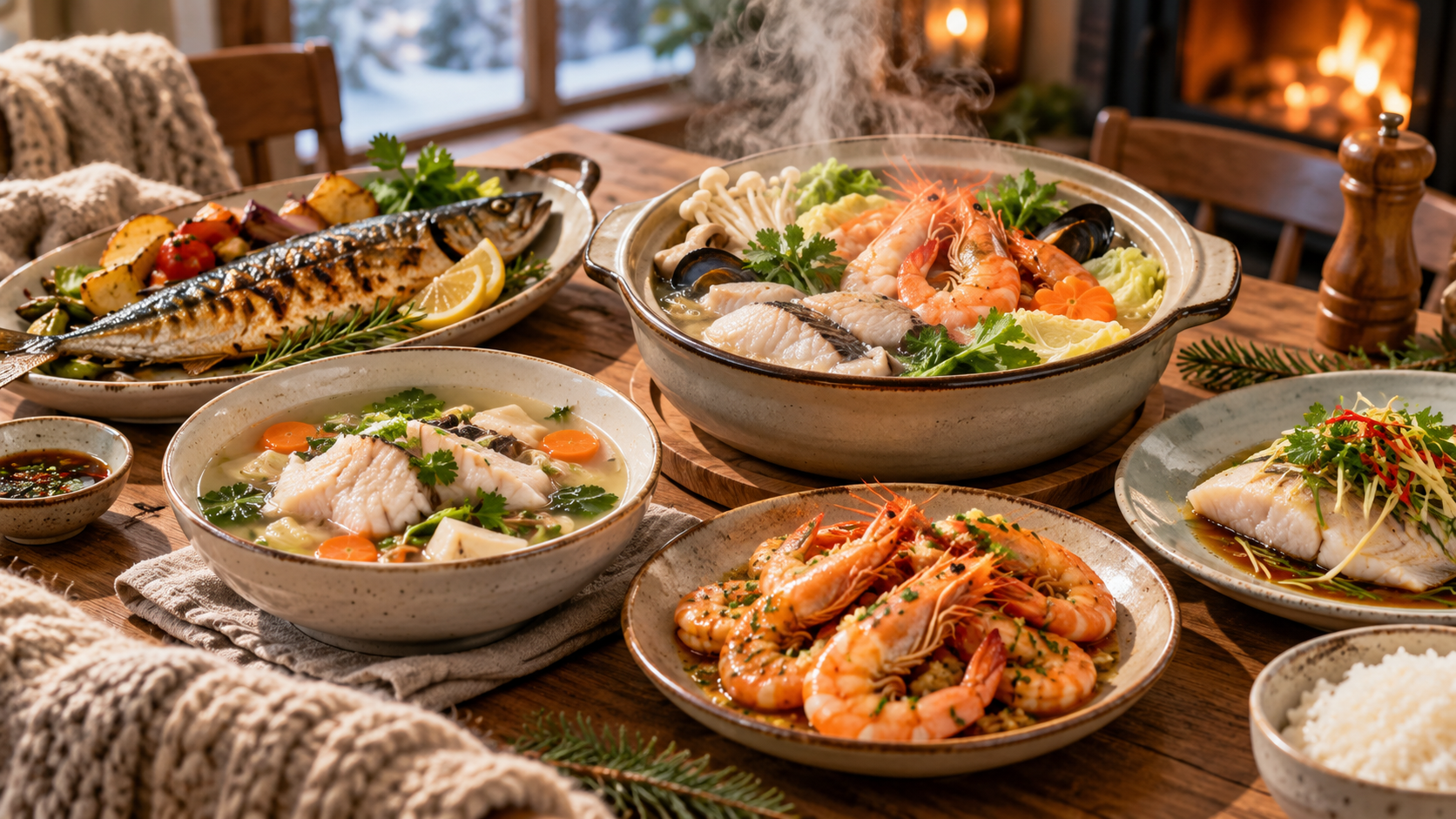
Cold weather often brings changes to eating habits, with hearty stews, hot soups, and energy-rich meals becoming popular choices. Meanwhile, seafood is sometimes overlooked, despite being a nutritious food that can be prepared in many ways to suit the colder months.
From protein and vitamin D to omega-3 fatty acids, different types of seafood, including fish, shrimp, crabs, and shellfish, provide a range of essential nutrients. Some of these nutritional benefits are particularly relevant during winter, when exposure to sunlight decreases and respiratory infections tend to become more common. So, what makes seafood a valuable addition to your winter diet?
In countries with temperate climates, winter is often associated with an increase in respiratory infections, including the common cold and influenza. Along with staying warm and maintaining healthy daily habits, getting adequate nutrition is essential for normal immune function.
Different types of seafood provide nutrients that contribute to immune health. Fish and shrimp are sources of protein and selenium, while oysters and certain other shellfish are particularly rich in zinc. Zinc is involved in the activity of immune cells, while selenium supports immune function and helps protect cells against oxidative damage.
Although eating seafood cannot directly prevent colds or the flu, including it in your meals can help provide nutrients your body needs during the colder months.
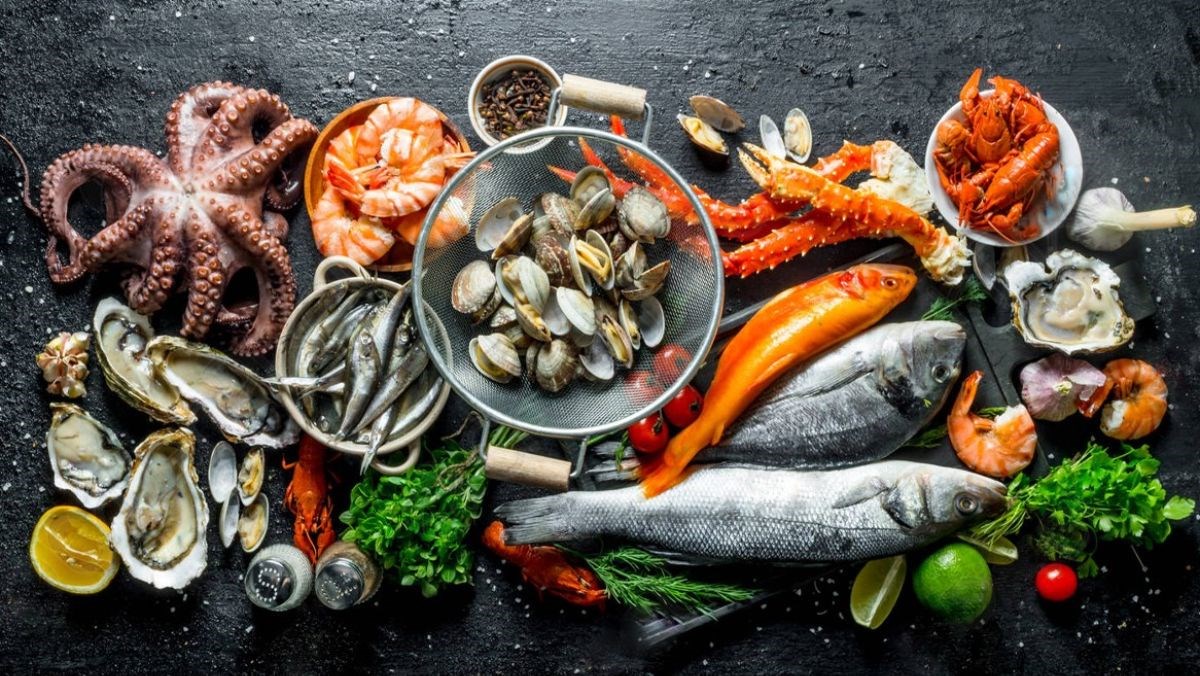
Sunlight helps the body produce vitamin D naturally. However, during winter, shorter daylight hours and reduced UVB radiation in many regions can limit vitamin D production through the skin.
This makes dietary sources of vitamin D especially relevant. According to the U.S. National Institutes of Health (NIH), fatty fish are among the best natural food sources of vitamin D, including certain species of mackerel and tuna.
Vitamin D helps the body absorb calcium and supports healthy bones and muscle function. Since vitamin D levels vary among fish species, food choices should take individual nutritional needs into account.

Winter meals often feature hearty meat dishes and energy-rich foods. Adding a variety of seafood to the menu offers a way to vary protein sources while meeting daily nutritional needs.
Seafood provides high-quality protein containing essential amino acids, which the body needs to maintain and repair tissues. Fish such as Pangasius and Black Tilapia, along with shrimp, crab, squid, and various shellfish, offer versatile protein sources that can be incorporated into a wide range of dishes.
With these ingredients, a winter dinner can be as simple as ginger-steamed fish, seafood soup with vegetables, steamed squid, or shrimp and clams served in a hot broth, offering a welcome alternative to traditional meat-based meals.
In addition to protein, certain fatty fish contain omega-3 fatty acids, particularly EPA and DHA. These fatty acids are involved in several physiological functions, including cardiovascular health.
According to the NIH, fish and other seafood are dietary sources of EPA and DHA. Certain species of mackerel and tuna contain these fatty acids, although the amounts can vary considerably depending on the species. Other seafood, including certain shellfish, can also contribute EPA and DHA, although their concentrations vary by species.
The benefits of omega-3s are not limited to a particular season. Continuing to eat a variety of seafood, particularly omega-3-rich fish during winter is therefore a practical way to include beneficial fats in your diet rather than relying primarily on energy-dense foods.
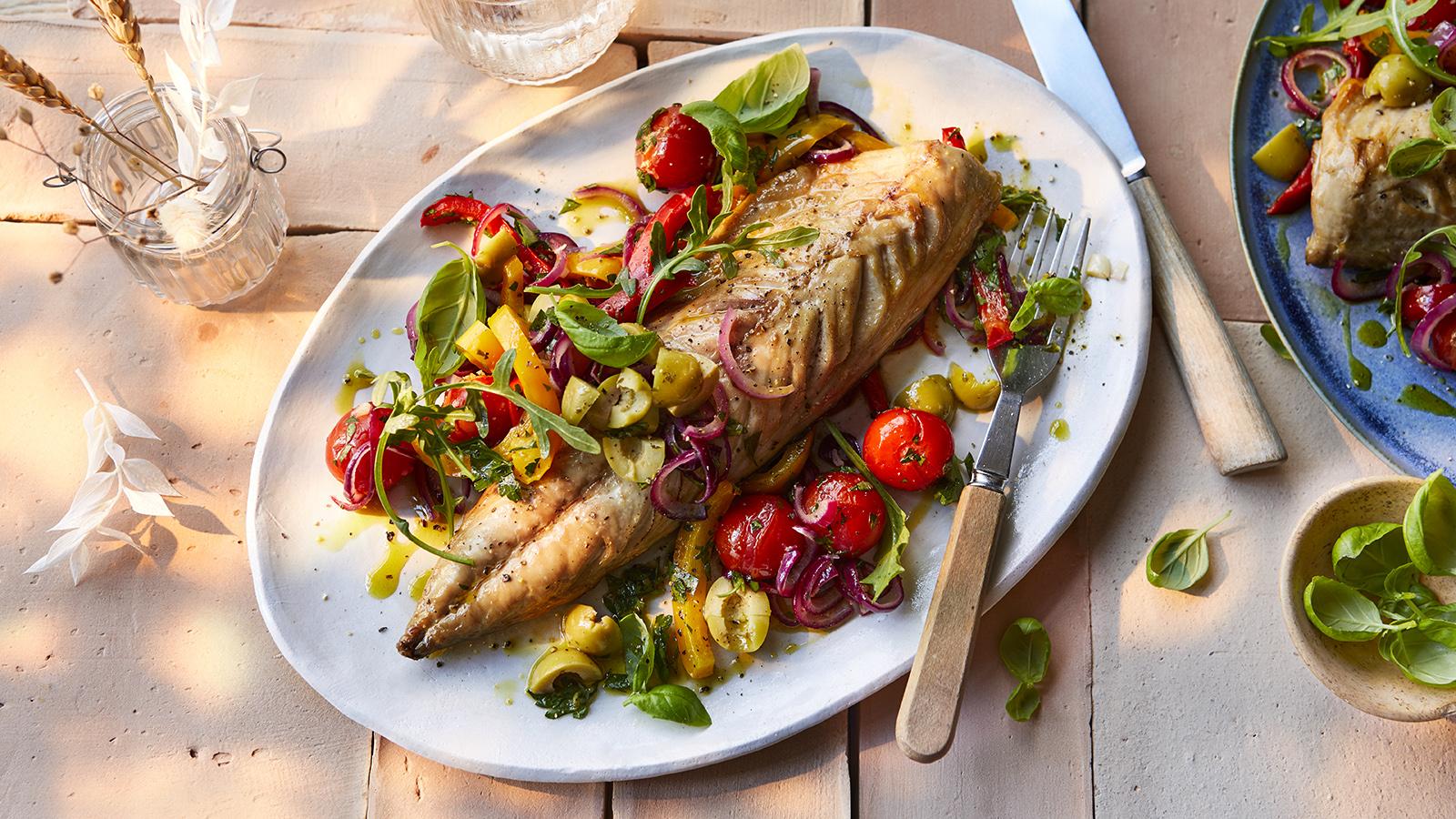
As temperatures drop, cooking methods often influence food choices. Hot broths, steamed dishes, and grilled meals are especially appealing during winter, and seafood works well with all these preparations.
Depending on personal preferences and culinary traditions, fish, shrimp, crab, squid, and shellfish can be served at everyday family dinners or festive year-end gatherings. Here are a few ideas:
Pangasius Fish Soup: Tender Pangasius cooked with vegetables in a warm, flavorful broth, ideal for a light and comforting meal.
Grilled Mackerel: Mackerel grilled with herbs and served alongside potatoes or roasted vegetables.
Crab and Corn Soup: Crab meat combined with sweet corn in a warm, savory broth, ideal for a comforting winter meal.
Garlic Butter Shrimp: Shrimp prepared with garlic and butter for a rich, savory dish, perfect for Christmas and New Year celebrations.
Seafood Hot Pot: A combination of fish, shrimp, clams, squid, vegetables, and hot broth, ideal for sharing with family and friends.
These dishes highlight how seafood can be incorporated into winter cuisine, from simple home-cooked meals to festive holiday menus.
From family meals and restaurant menus to year-end celebrations, seafood offers a wide range of options for winter dining. For importers and distributors, the season also presents an opportunity to source products that meet the needs of their respective markets.
Hieu Nam International specializes in supplying and exporting frozen seafood from Vietnam, offering five main product categories: Pangasius, Marine Fish, Yellowfin Tuna, Farmed/Freshwater Fish, and Shrimp.
Looking for a reliable Vietnamese frozen seafood supplier this winter?
Contact Hieu Nam International to explore our product range, packaging specifications, and quotations tailored to your sourcing requirements.
National Institutes of Health (NIH) – Dietary Supplements for Immune Function and Infectious Diseases
National Institutes of Health (NIH) – Vitamin D: Fact Sheet for Health Professionals
National Institutes of Health (NIH) – Omega-3 Fatty Acids: Fact Sheet for Health Professionals
U.S. Food and Drug Administration (FDA) – Advice About Eating Fish